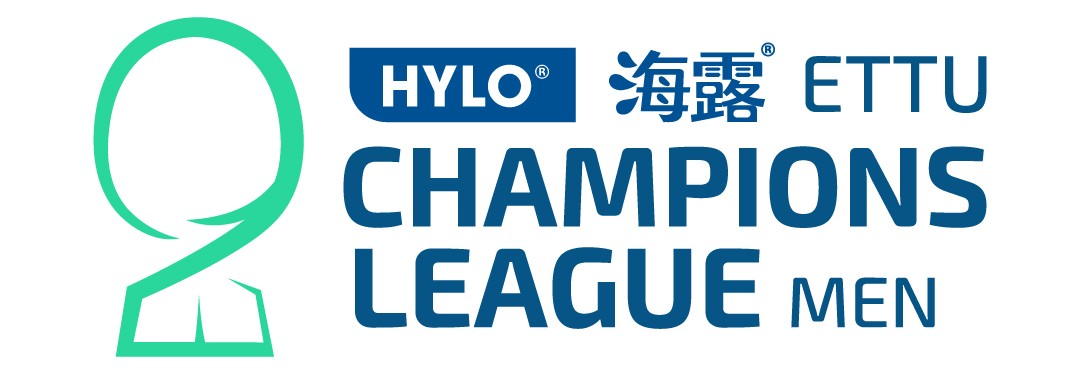



ETTU is proud to present a new visual identity for the Champions League Men and Women heading into the 2026/27 season, marking an important step in the evolution of the most prestigious club competition. The updated branding, including a redesigned logo and refreshed visual elements, reflects the ambition to modernise the competition’s image while preserving its heritage. The new look has been developed to strengthen the overall presentation of the Champions League to fans, clubs, and partners. While the Men’s and Women’s Champions League remain under the same competition scope, each will feature its own distinct visual identity. The logos differ in form and colour, helping to give both competitions a clearer and more individual presence. This approach recognises their shared foundation, while allowing each to develop its own identity and progress in parallel, with both sides contributing to raising the overall standard of the competition. This evolution represents more than a visual update. It underlines ETTU’s ongoing commitment to the growth and professionalisation of the competition, ensuring that the Champions League continues to reflect the highest standards of European table tennis. ETTU president Pedro MOURA, commented the following: “The introduction of the new visual identity for the ETTU Champions League marks an important milestone in the continued development of our flagship club competitions. While respecting the rich history and tradition of the Champions League, this new branding reflects our ambition to present a modern, dynamic and globally appealing product.” The new look will debut at next month’s Men’s and Women’s Final Four events, maximising exposure ahead of the new season. The men’s competition will continue as the HYLO ETTU Champions League Men, reflecting the ongoing partnership with HYLO, but presented with the new visual identity, whilst we aim to bring in a new title sponsor for the women’s competition as we enter this new chapter. This new implementation allows growth in all areas of the Champions League, playing a significant role in strengthening the identity and commercial appeal of the competition, staying relevant in an increasingly digital and media-driven world, making it more recognisable across broadcasts, social media and global marketing. For clubs, a stronger brand image associated with a prestigious, modern competition can elevate their own brand appeal, helping them expand international fan bases and commercial opportunities.